Welcome to our websites!

How to Choose Jewelry Box Packaging for Wholesale Buyers?

Choosing Jewelry Box Packaging for wholesale purchase is not simply a matter of selecting the prettiest color or finish. Buyers must balance presentation, protection, cost, and production reliability. A velvet box may look luxurious, yet it can collect dust during storage. A rigid paper box may ship efficiently, but its corners can suffer damage without proper reinforcement.

Walter Soroka, a respected packaging educator, described packaging as “the science, art, and technology of enclosing and protecting products for distribution, storage, sale, and use.” His view remains useful for jewelry wholesalers. Packaging must protect a delicate necklace, ring, or bracelet from scratches and movement. It must also support a consistent brand experience across hundreds or thousands of units.

Small details matter. Check the insert depth, hinge strength, lining quality, and lid alignment. Request a physical sample before approving bulk production. Compare the sample with the approved color under natural light. Digital images can hide disappointing textures. They often do.

Wholesale buyers should also examine minimum order quantities, lead times, carton dimensions, and replacement policies. These factors influence the real purchase cost. Sustainable materials may improve brand value, but they are not automatically stronger or cheaper. Ask for clear material information and practical performance evidence.

There is no perfect Jewelry Box Packaging solution for every product. A bridal collection may need elegant satin interiors, while everyday silver jewelry may require compact, dust-resistant boxes. Even experienced buyers can overlook shipping volume or storage space. Careful testing reduces that risk and encourages better decisions.
How to Choose Jewelry Box Packaging for Wholesale Buyers?

Define Your Jewelry Packaging Needs and Wholesale Requirements

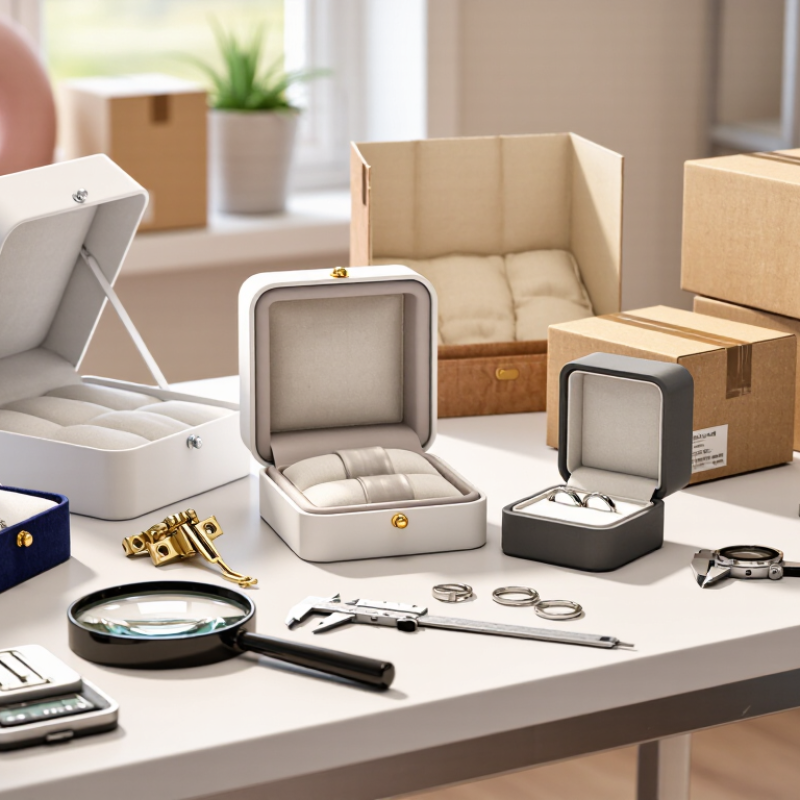
Wholesale jewelry packaging should begin with operational needs, not decoration. Define your jewelry types, dimensions, weights, quantities, and sales channels. A ring box needs different protection from a layered necklace tray. Record the largest and smallest SKU. Include space for labels, care cards, and barcodes. Confirm minimum order quantities, target cost, delivery schedule, and replacement needs before requesting samples.

Packaging performance matters during storage and shipping. Specify cushioning, closure strength, moisture resistance, and stacking limits. Request drop-test samples with actual jewelry weights. The International Safe Transit Association recommends performance testing for packaged products moving through distribution networks. However, a perfect laboratory result may not reflect rough warehouse handling. Test realistic cartons, not only attractive prototypes.

Sustainability also affects purchasing decisions. The OECD’s Global Plastics Outlook reports that packaging creates about 40% of global plastic waste. McKinsey research has found that 60–70% of consumers may pay more for sustainable packaging. These figures support recyclable paperboard, reusable pouches, and reduced empty space. Still, do not remove protective materials too quickly. Damaged jewelry creates higher costs and customer distrust. Ask suppliers for material specifications, recycled content evidence, and disposal guidance. I would avoid promising “fully sustainable” packaging without verified data. A practical brief should compare protection, appearance, unit cost, storage volume, and end-of-life options. Small details matter.

Compare Materials, Sizes, and Protection Features

How to Choose Jewelry Box Packaging for Wholesale Buyers?

Material affects appearance, cost, durability, and customer perception. Rigid paperboard offers a polished look and stable stacking during shipment. Velvet or microfiber interiors feel soft, but they can collect dust and show marks. Plastic inserts protect jewelry from movement, although they may reduce the package’s premium feel. Recycled paper options support sustainability goals, yet moisture resistance must be checked carefully.

Size should match the jewelry, not merely the display design. A ring box needs a secure slot without squeezing the band. Necklace boxes require enough depth to prevent chains from bending sharply. For earrings, separated compartments reduce scratching and tangling. Measure the jewelry with its protective pouch. A loose box wastes carton space and increases movement. An oversized package can also raise shipping costs.

Protection features deserve practical testing. Check hinge strength, closure security, corner compression, and interior cushioning. Shake a sample box gently, then inspect whether the jewelry shifts. Drop testing is useful, but it cannot represent every warehouse condition. I still get this wrong sometimes. A thick box may protect well but slow packing operations. A beautiful finish may also scratch before delivery. Ask suppliers for samples, inspect several production batches, and record failures rather than trusting appearance alone. Wholesale buyers should compare protection results against unit price, storage limits, and packing speed.

Evaluate Branding, Customization, and Unboxing Appeal

How to Choose Jewelry Box Packaging for Wholesale Buyers?

A jewelry box should communicate your product before the lid opens. For wholesale buyers, branding begins with color, texture, and consistent logo placement. A small foil mark can feel refined, while heavy printing may look crowded. Choose materials that match the jewelry’s value and your selling environment. A rigid paper box feels dependable in a showroom. A soft pouch may suit lightweight items and lower shipping costs. Check a physical sample before approving a large order. Digital previews often hide weak edges, dull colors, or inaccurate sizing.

Customization should support protection, not merely appearance. Measure the jewelry, then test the insert with earrings, rings, or layered necklaces. The piece should stay centered after gentle shaking. It should also come out easily. Test it twice. Consider removable inserts, printed care cards, and recyclable outer cartons. These details can strengthen the unboxing experience without creating unnecessary waste. However, excessive ribbons, magnets, or multiple layers can slow packing and increase freight costs.

Unboxing appeal depends on small, visible moments. A clean sleeve, a soft opening sound, and neatly folded tissue can make the package feel considered. Leave enough space for a buyer’s hand, but avoid a box that feels empty. Slightly imperfect handmade textures may suggest craft, yet inconsistent logos can damage trust. I have seen attractive packaging fail because the insert scratched the product. That mistake deserves attention. Ask suppliers for compression tests, color samples, and production photos. Reliable packaging is not only beautiful; it performs consistently across cartons, stores, and customer homes.

How to Choose Jewelry Box Packaging for Wholesale Buyers?

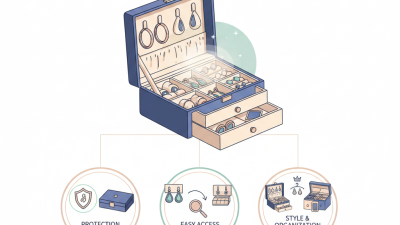
Comparison of the main packaging factors that influence wholesale purchasing decisions.

Branding and customization help buyers create a consistent retail presentation, while unboxing appeal supports customer engagement. Cost transparency, protective performance, and order flexibility are also essential when evaluating jewelry box packaging for wholesale purchasing.

Check Supplier Quality, Minimum Orders, and Production Capacity

How to Choose Jewelry Box Packaging for Wholesale Buyers?

Wholesale jewelry box packaging should be judged beyond attractive photos. Supplier quality appears in small details: straight stitching, clean edges, firm hinges, and odor-free lining. Request a physical sample before discussing a large order. Open it repeatedly. Check whether the lid stays aligned after fifty movements. Ask for material specifications, color references, and a documented inspection process. In my sourcing experience, rushed sample checks often create expensive corrections later.

Compare the minimum order quantity with your sales cycle and storage space. A low unit price can become costly when cartons remain unsold. Ask whether mixed colors, sizes, or insert layouts are allowed. Some suppliers quote one MOQ, then add conditions for custom printing. Get every threshold in writing. That sounds basic. But buyers often overlook it. An honest mistake here can distort your launch budget and delay product delivery.

Production capacity matters when a trial order becomes a seasonal requirement. Ask for monthly output, current utilization, material availability, and backup equipment. Request a realistic timeline for sampling, production, inspection, and packing. Do not trust capacity claims without recent production evidence. Photos help, but dated records and production reports offer stronger verification. Confirm how defects are handled and who approves replacements. I once underestimated peak-season delays, so I now request a capacity check before confirming purchase dates. A supplier may be reliable for small batches but struggle with rapid volume growth.

How to Choose Jewelry Box Packaging for Wholesale Buyers? - Check Supplier Quality, Minimum Orders, and Production Capacity

Supplier Profile Typical Jewelry Box Materials Quality Control Evidence Typical MOQ Monthly Production Capacity Sample Lead Time Bulk Lead Time Customization Capability Wholesale Buyer Suitability
Small Custom Workshop Paperboard, linen, velvet, artificial leather, molded pulp Pre-production samples, visual inspection, basic size and color checks 100–300 pieces per design 5,000–20,000 pieces 7–12 days 20–35 days High flexibility for small custom orders Suitable for testing new designs and limited collections
Mid-Sized Packaging Factory Rigid paperboard, MDF, wood veneer, PU leather, velvet, recycled paper Incoming material inspection, approved samples, in-process checks, final AQL-based inspection 500–1,000 pieces per design 30,000–100,000 pieces 10–15 days 25–45 days Strong support for logos, inserts, finishes, and structural changes Best balance for regular wholesale programs
Large-Scale Manufacturer Rigid board, FSC-certified paper options, wood, metal fittings, microfiber, molded pulp Documented quality system, batch records, production-line inspection, final inspection reports 2,000–5,000 pieces per design 150,000–500,000 pieces 12–20 days 35–60 days High capacity, but tooling and setup requirements are stricter Recommended for chain stores and large recurring orders
Eco-Focused Packaging Supplier Recycled paperboard, molded fiber, cork, bamboo, water-based coatings Material certificates, recycled-content documentation, sample approval, compression testing 500–2,000 pieces per design 20,000–80,000 pieces 10–18 days 30–50 days Good for sustainable designs; fewer premium surface finishes Suitable for environmentally positioned jewelry collections
Premium Presentation Specialist Wood, metal accents, premium velvet, microfiber, foil-stamped rigid board Color approval, fit testing, surface inspection, hardware testing, pre-shipment inspection 300–1,000 pieces per design 10,000–50,000 pieces 15–25 days 35–55 days Excellent for luxury finishes and complex inserts Suitable for premium and high-value jewelry lines
Stock Packaging Distributor Standard paperboard, velvet, PU leather, plastic-free stock designs Supplier inspection, standard product specifications, random shipment checks 25–100 pieces per style Usually based on existing inventory 2–7 days if in stock 7–20 days if replenishment is required Limited to labels, sleeves, and minor insert changes Best for urgent orders and market testing

Note: MOQ, capacity, lead time, and customization ranges are typical industry benchmarks. Buyers should confirm material specifications, inspection standards, packaging tests, production schedules, and shipping terms directly before placing an order.

Calculate Costs, Shipping Efficiency, and Long-Term Value

How to Choose Jewelry Box Packaging for Wholesale Buyers?

Wholesale buyers should calculate total cost, not only the factory price. A box costing $0.35 may require larger cartons, raising freight charges. Measure the packed outer carton, then estimate dimensional weight using your carrier’s current divisor. For example, reducing a carton from 40 to 32 centimeters can improve pallet use and lower air-shipping charges. Confirm actual measurements with a sample. Supplier specifications can be optimistic.

The U.S. Environmental Protection Agency reported that containers and packaging generated 82.2 million tons of municipal solid waste in 2018. This figure shows why material choices matter beyond appearance. Choose rigid protection only where needed, and compare recycled paperboard, molded pulp, and reusable inserts. DHL’s 2024 E-Commerce Trends Report found that seven in ten shoppers expect sustainable delivery options. However, sustainability claims need evidence. Ask for material composition, recycled content, and test documentation. “Eco-friendly” alone proves little.

Tips: Request three packaging quotes using identical dimensions. Compare box price, insert price, carton quantity, pallet capacity, and freight together. Test stacking, moisture resistance, and drop protection before ordering thousands. A practical trial may reveal that a thinner box bends during transit. That mistake costs less at 200 units than at 20,000. Long-term value also includes storage space, replacement rates, opening experience, and customization limits. A slightly plain box can perform better than an impressive design that increases shipping volume. Recheck calculations when carrier rules or order quantities change.