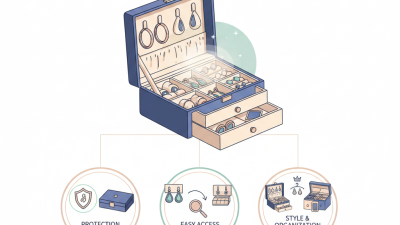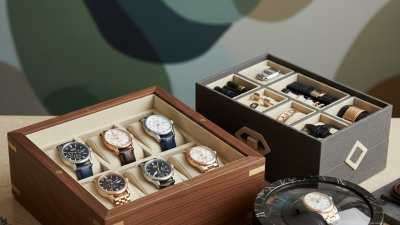
A Jewelry Box is more than a small container for rings, necklaces, and earrings. It protects delicate surfaces from scratches, dust, moisture, and unnecessary tangling. It also changes how easily you can find and wear each piece. Yet many buyers choose one by appearance alone. That decision can become inconvenient very quickly.
Susan Eisen, a jewelry appraiser and owner of Susan Eisen Fine Jewelry, says, “A jewelry box should protect your collection while keeping every piece visible and accessible.” Her advice reflects a practical truth. Good storage supports jewelry care, but it cannot correct poor cleaning habits or careless handling. Small details matter. A velvet ring slot, a soft-lined drawer, and separate necklace hooks can prevent daily damage.
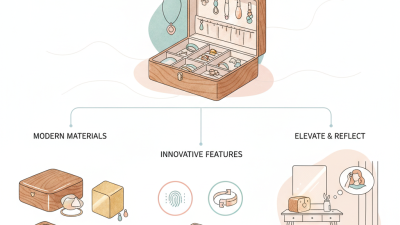
This guide explores what a Jewelry Box is and how to choose the right one. It considers size, materials, interior layout, security, portability, and room placement. A compact box may suit a few everyday pieces. A larger organizer may work better for layered necklaces and watches. Travel cases need firm closures and protective padding. Some choices remain imperfect. A beautiful wooden box may be heavy. A spacious organizer may waste room if your collection is small.
Think about your actual routine. Do you remove jewelry beside the bathroom sink? Do chains often knot in one drawer? Your answers reveal what the box must solve. The right choice should feel useful every morning, not impressive only on a shelf.
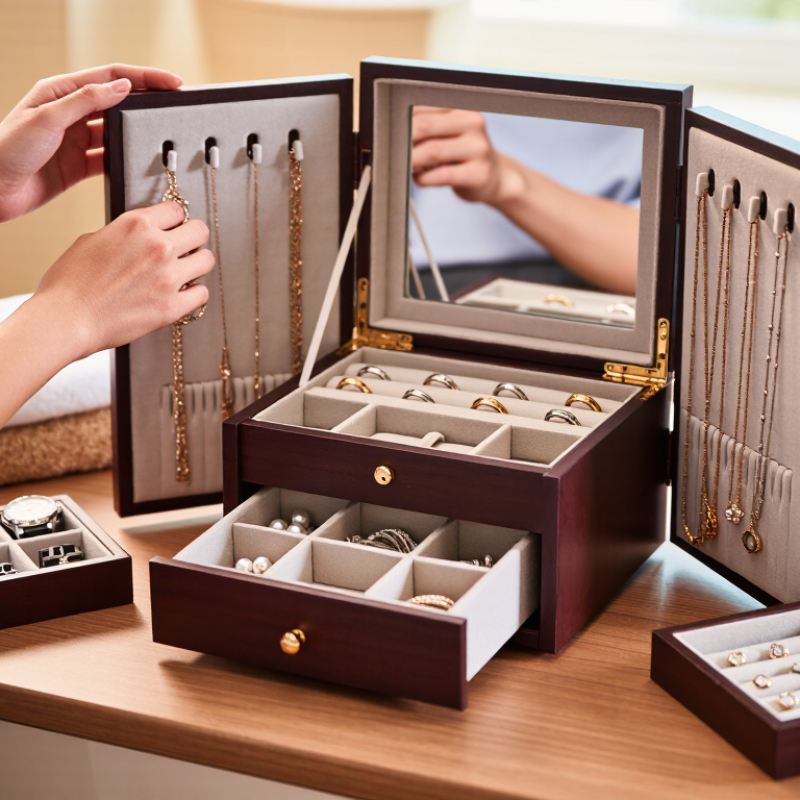
A jewelry box is a protective storage container for rings, earrings, necklaces, and other small accessories. Its main purpose is simple: keep pieces organized, separated, and easier to inspect. Good storage also limits scratches, tangling, dust, and unnecessary exposure to moisture. In daily use, a box should make each item visible without forcing you to search through a crowded pile. Small details matter.
Jewelry boxes come in several practical forms. A compact case suits a few daily pieces or short trips. A tiered box offers more room for growing collections. A drawer-style organizer works well on a dresser, while a hanging organizer saves surface space.
Ring rolls, divided trays, hooks, and soft compartments serve different storage needs. Necklaces need separation, but earrings need secure pairs. A watch may require a deeper cushion.
Choose a box by measuring your collection, not by appearance alone. Look for smooth hinges, firm closures, stable construction, and non-abrasive lining. Compartments should hold pieces without squeezing them. Avoid overly deep sections for tiny earrings; they often disappear there.
I once chose a beautiful box with shallow hooks, and chains slipped off repeatedly. That mistake changed my priorities. Storage should protect jewelry first and decorate the room second. A breathable interior can also help reduce trapped moisture, especially in humid rooms. Still, no box replaces regular cleaning and careful inspection.
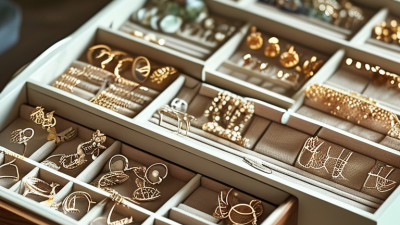
A jewelry box stores, protects, and organizes personal ornaments in one accessible place. The right choice begins with the jewelry you actually own, not the box’s appearance. Small pieces, such as rings and earrings, need shallow compartments and secure slots. Necklaces require longer sections, because tight bends can create frustrating knots. Bracelets and watches usually need wider spaces with enough clearance.
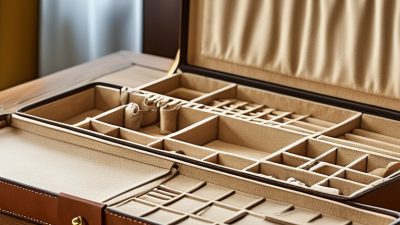
Shape also matters. A square box suits a dresser, while a tall case uses narrow vertical space efficiently. Travel cases should be compact, light, and easy to close. Consider the collection volume carefully. A small collection may need six to twelve compartments. Larger collections benefit from removable trays, drawers, and visible dividers. Empty space is useful. Overfilled compartments make daily selection slower.
Tips: Count your jewelry before shopping. Measure your longest necklace and widest bracelet. Choose soft lining, sturdy hinges, and smooth edges. For frequent travel, test the clasp with one hand. Materials affect comfort and durability. Fabric lining feels gentle, while wood offers structure and a warmer appearance. Acrylic makes items easy to see, but fingerprints may become distracting. Metal can feel durable, yet it may add unnecessary weight. From practical use, I have found that deep compartments often waste space for small jewelry. Still, preferences differ, and my first estimate is not always right. Recheck your routine after one week.
What Is a Jewelry Box and How to Choose the Right One?
A jewelry box should protect gemstones according to their Mohs hardness, rated from 1 to 10. This scale measures scratch resistance, not overall strength. Softer materials, such as amber and pearl, usually rank between 2 and 4.5. They can be damaged by harder stones, metal edges, or loose chains. Opal and turquoise are also vulnerable, with typical ratings near 5 to 6. Keep them in separate, padded compartments. Quartz ranks around 7, while topaz reaches 8. Ruby and sapphire measure 9, and diamond ranks 10. Hard stones still need care because they may chip after a sharp impact.
Tips: Store each gemstone separately. Use soft fabric lining and shallow compartments. Place pearls away from dry heat and strong chemicals. Avoid tossing mixed jewelry into one drawer. I once stored a quartz pendant beside a pearl, and the pearl developed a dull mark. The mistake seemed small, but the lesson was clear. A hardness chart cannot replace careful handling.
Choose a jewelry box with adjustable dividers, a stable lid, and enough depth for pendants. Compartments should prevent pieces from touching during movement. Keep frequently worn items near the top, but store delicate gems in quieter sections. A moisture-controlled space may help, although excessive humidity can create other problems. Cleaning methods also vary by gemstone, so check professional guidance before using water or solutions. My earlier assumption was that harder meant safer; it was incomplete. Faceted stones can still scratch other jewelry when stored carelessly.
A jewelry box should protect each material, not simply store everything together. The World Gold Council reported 4,974 tonnes of total gold demand in 2024. That scale reflects gold’s lasting value and the need for careful storage. Gold pieces need soft, separate compartments because harder stones can scratch polished surfaces. Use lined slots for rings and shallow trays for chains. Deep spaces often hide small earrings.
925 silver requires special attention. It can tarnish when exposed to humidity, chemicals, and air pollution. Choose an airtight section or add anti-tarnish paper. Keep silver away from rubber, cardboard, and untreated wood. Pearls need even gentler care. The Gemological Institute of America rates pearl hardness at only 2.5 to 4.5 on the Mohs scale. A velvet-lined compartment is safer than a shared metal tray. Pearls also need airflow, although excessive dryness can damage their nacre. This balance is easy to miss.
Tips: Store pearls separately. Wipe gold after wearing. Keep silver dry. Place necklaces in individual loops to prevent knots. Avoid oversized compartments; movement causes scratches. I once preferred a large box for convenience, but smaller sections proved safer. Storage design is not perfect. Review it as your collection changes.
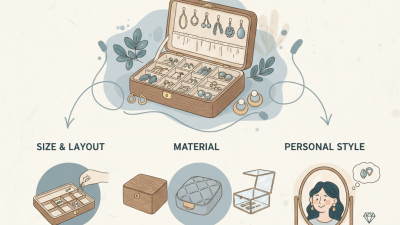
A jewelry box is a storage case designed to protect and organize personal jewelry. Its best size depends on your daily collection, not an attractive display. Count rings, chains, earrings, and watches before buying. A compact box may suit a few pieces. Larger collections need removable trays, ring rolls, and separate necklace compartments. Otherwise, chains quickly become a frustrating knot.
Material affects both protection and maintenance. Solid wood feels stable and can handle regular use, but it may need polishing and moisture control. Fabric-lined cases are gentle on polished surfaces. However, light fabric can show dust and makeup stains easily. Metal or hard plastic offers stronger impact resistance, though some interiors feel less luxurious. Check the hinges, stitching, and lining by hand. Small defects often appear before the first month ends.
Security features deserve practical attention. A simple lock can discourage casual access, but it cannot replace responsible storage. Choose a box with a firm clasp, concealed hinges, or an anchor point when appropriate. Keep it away from bathrooms, windows, and direct sunlight. Wipe jewelry before storage, and leave compartments dry. I once placed a damp necklace inside a lined box, assuming it would dry naturally. That assumption was wrong. The lining retained moisture and developed an unpleasant smell. Inspect the box monthly, replace damaged padding, and avoid overcrowding. No box is perfect.
| Jewelry Box Type | Typical Capacity | Approximate Size | Common Materials | Security Features | Interior Organization | Care Requirements | Best Suited For |
|---|---|---|---|---|---|---|---|
| Travel Jewelry Pouch | 8–15 pieces | 18–24 cm wide × 10–15 cm high | Fabric, faux leather, microfiber lining, flexible padding | Usually no lock; zipper or snap closure helps prevent items from falling out | Small ring rolls, earring panels, necklace pockets, and elastic loops | Keep dry; wipe with a slightly damp cloth; avoid overfilling to reduce tangling | Short trips, daily essentials, and lightweight packing |
| Compact Jewelry Case | 15–30 pieces | 20–28 cm wide × 8–14 cm deep × 10–18 cm high | Wood or engineered board with veneer, faux leather, velvet or suede-like lining | Push-button, snap, or small key lock on selected models | Removable trays, ring rolls, divided compartments, and earring slots | Dust regularly; use a dry or lightly damp cloth; keep away from prolonged direct sunlight | Everyday jewelry collections in bedrooms, closets, or dressing areas |
| Medium Multi-Level Organizer | 30–60 pieces | 25–35 cm wide × 18–25 cm deep × 15–25 cm high | Wood, engineered wood, acrylic, metal hardware, fabric or velvet lining | Key lock or latch may be included; provides organization rather than high-security protection | Multiple drawers, necklace hooks, bracelet sections, ring cushions, and adjustable dividers | Clean spills promptly; avoid abrasive cleaners; check hinges and drawer runners periodically | Mixed collections containing necklaces, earrings, rings, bracelets, and watches |
| Large Jewelry Chest | 60–120 pieces | 35–50 cm wide × 25–35 cm deep × 25–40 cm high | Solid wood or engineered wood, metal fittings, glass or acrylic panels, soft textile lining | Lockable front closure; heavier construction offers better privacy and stability | Several drawers, necklace hooks, watch cushions, ring rolls, and removable compartments | Use furniture-safe cleaners suitable for the finish; avoid excess moisture; tighten hardware when needed | Large collections that need permanent storage and clear separation by jewelry type |
| Wall-Mounted Jewelry Cabinet | 50–150 pieces | 45–80 cm high × 30–60 cm wide × 8–15 cm deep | Engineered wood or metal frame, glass or mirrored door, fabric-lined interior | Lockable door on some designs; secure wall mounting is essential for stability | Hooks, shelves, ring strips, earring boards, and bracelet rails arranged vertically | Clean glass with a non-abrasive product; dust fabric surfaces; inspect wall fittings regularly | Space-saving storage for extensive collections and dressing-room use |
| Lockable Security Box | 20–80 pieces | 25–45 cm wide × 20–35 cm deep × 10–25 cm high | Steel or reinforced metal exterior, foam or fabric lining, protective interior dividers | Key lock, combination lock, or electronic lock; some models can be anchored | Removable trays, padded compartments, ring cushions, and open sections for larger items | Keep dry to reduce corrosion risk; replace batteries when applicable; do not store damp jewelry | Valuable pieces, shared homes, or situations requiring additional privacy and access control |