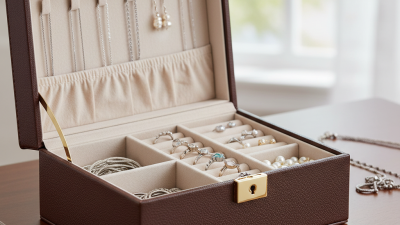
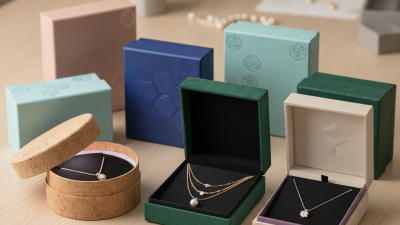
China Top Necklace Box Suppliers and Quality Options?
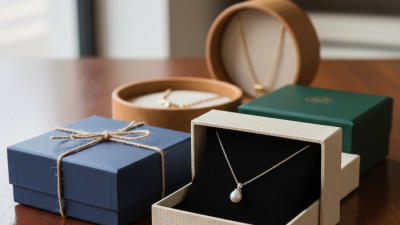
In the ever-evolving jewelry market, the demand for high-quality Necklace Boxes is on the rise. Industry expert Emily Chen, a leading figure in packaging solutions, once stated, "A well-crafted Necklace Box not only protects but also enhances the beauty of the jewelry within." This statement underscores the importance of not just aesthetics but functionality in this niche.
Chinese suppliers have stepped up to meet this demand. Numerous companies offer a variety of Necklace Box designs, catering to different styles and price ranges. However, quality can vary significantly among suppliers. It's essential to research and choose wisely to avoid pitfalls. Understanding the materials used and the craftsmanship behind each box is crucial.
As buyers navigate this landscape, reflecting on their needs is key. Some may prioritize elegance, while others might focus on durability. The Necklace Box industry continues to grow, offering options that cater to diverse consumer preferences. Engaging with credible suppliers can ensure you make informed decisions that add value to your jewelry collection.
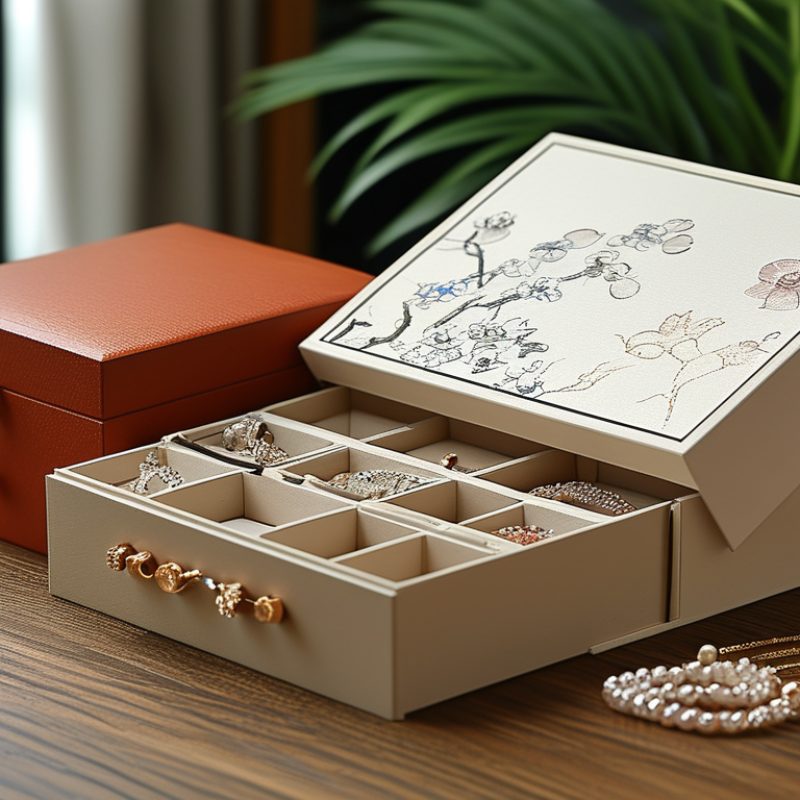
Top Necklace Box Suppliers in China: An Overview of Industry Leaders
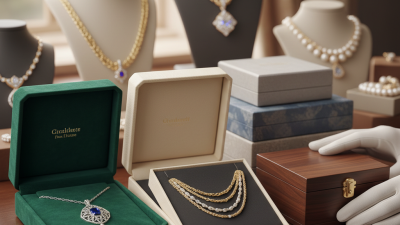
China is a manufacturing powerhouse, especially in the jewelry packaging sector. The country offers a wide range of necklace box suppliers that cater to different needs. These suppliers range from small workshops to large-scale factories, providing various custom designs and materials. Many focus on sustainability and eco-friendly packaging, which is becoming increasingly vital in today's market.
Quality varies significantly among suppliers. Some excel in craftsmanship and materials, while others fall short. It’s essential to evaluate the supplier's portfolio and client reviews. Many suppliers have showcased their dedication to quality through certifications and adherence to international standards. Yet, buyers should beware of inconsistent quality among different batches or product lines. Trustworthy suppliers often provide samples before bulk production.
Communication can be both an asset and a challenge. Language barriers may arise, sometimes leading to misunderstandings. Clear and direct communication helps mitigate this issue. Additionally, understanding cultural nuances can enhance collaboration. While many suppliers in China stand out for their innovation, ongoing assessment and feedback are crucial for maintaining quality standards. Building a strong relationship with suppliers can lead to better outcomes and improvements in service.
Top Necklace Box Suppliers in China: Market Share Overview
Key Factors Influencing Quality in Necklace Box Manufacturing
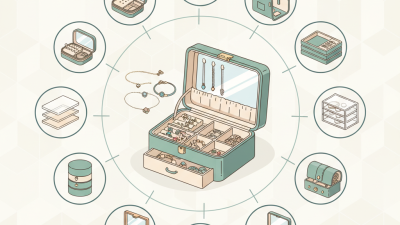
When selecting necklace boxes, quality remains a top priority. Several key factors influence this quality. Material choice plays a significant role. Many manufacturers use cardboard, wood, or leather. Each material has its benefits and drawbacks. For instance, cardboard is lightweight but less durable. On the other hand, leather offers a luxurious feel but can be costly.
Manufacturing precision also matters. Poor craftsmanship can lead to uneven seams or misaligned parts. This diminishes the overall aesthetic of the necklace box. Additionally, the finishing process impacts durability. A poorly applied finish can wear off quickly, making the box appear cheap. Attention to detail is essential to create a lasting product.
Lastly, consider the supplier's reputation. Some suppliers may offer lower prices, but at the cost of quality. Researching customer reviews provides insight into their reliability. Look for suppliers who prioritize quality control during production. A commitment to quality ensures that the necklace boxes not only protect the contents but also enhance their appeal.
China Top Necklace Box Suppliers and Quality Options
| Supplier Region |
Material Quality |
Customizable Options |
Production Capacity (units/month) |
Lead Time (weeks) |
Export Experience (years) |
| Guangdong |
High Grade Paperboard |
Yes |
50,000 |
2 |
10 |
| Zhejiang |
Eco-friendly Materials |
Yes |
30,000 |
3 |
8 |
| Shanghai |
Luxury Velvet |
Limited |
20,000 |
4 |
15 |
| Jiangsu |
Synthetic Leather |
Yes |
40,000 |
3 |
12 |
| Shandong |
Bamboo Fiber |
Yes |
15,000 |
5 |
6 |
Market Trends: Demand for Sustainable and Eco-Friendly Packaging
The demand for sustainable and eco-friendly packaging is growing rapidly in the jewelry market. Many consumers are increasingly aware of environmental issues. This shift affects how necklace boxes are manufactured and designed. Suppliers are now more focused on using recycled materials. These changes not only help the planet but also cater to mindful shoppers who seek sustainability.
However, there are challenges to consider. Not all suppliers have adopted eco-friendly practices effectively. Some still rely on traditional methods that harm the environment. The transition to sustainable packaging can also be cost-prohibitive for smaller businesses. This raises questions about accessibility for many brands. Thus, suppliers must balance quality, cost, and sustainability to meet market expectations.
Innovation plays a critical role in this transformation. Companies are exploring biodegradable materials and designs that minimize waste. Creative solutions are emerging, but they require testing and refining. Striking a balance between aesthetics and eco-friendliness can be complex. The journey toward sustainable necklace boxes is ongoing, and industry players have room for improvement.
Comparative Analysis of Price Points Among Leading Suppliers
When analyzing the price points among leading necklace box suppliers in China, distinct patterns emerge. Industry reports indicate that the pricing varies significantly based on materials and manufacturing processes. For instance, boxes made from eco-friendly materials might cost 10-20% more than those using standard materials. Yet, the demand for sustainable options is rising, influencing suppliers to diversify their pricing strategies.
A comprehensive market analysis revealed that around 40% of consumers are willing to pay a premium for high-quality packaging. The average price for a basic necklace box hovers around $1.50, while premium options can reach up to $5 or more. Factors such as design complexity and additional features like custom printing contribute to these elevated costs. However, not all suppliers maintain consistent quality at every price point, which raises concerns regarding reliability in sourcing.
Some suppliers may cut corners to offer competitive prices. This can lead to fluctuating quality. It's crucial for buyers to evaluate not just price but also the materials and production standards. Independent quality inspections can mitigate risks associated with inferior products. Understanding these dynamics is essential for making informed purchasing decisions in the necklace box market.
Quality Control Standards in Necklace Box Production in China
In China, quality control in necklace box production is crucial for maintaining high standards. Manufacturers implement various strategies to ensure that each box meets industry expectations. Regular inspections throughout the production process help catch errors early. This proactive approach minimizes defects and ensures that the end products are reliable.
Tips: Always ask about the quality control measures in place. Inquire if they follow international standards. Understanding their process can help you choose the right supplier.
Material selection plays a significant role in quality control. Suppliers often use premium materials like cardboard and velvet. These materials not only protect the necklace but also enhance its presentation. However, not all suppliers prioritize good materials, leading to inconsistencies.
Tips: Check sample materials before placing bulk orders. Don’t compromise on quality, as it reflects on your brand.
One challenge in quality control is the variation in craftsmanship. While some artisans excel, others may produce subpar items. This can lead to uneven quality across batches. Regular training and feedback for workers can help address this issue.
Tips: Consider building long-term relationships with suppliers. Consistency improves when both parties communicate effectively.