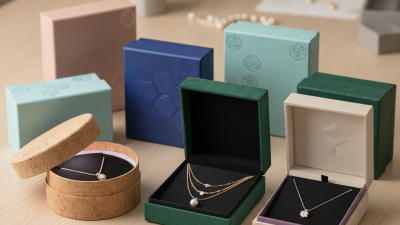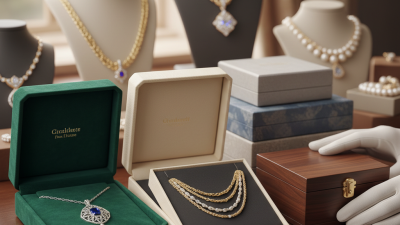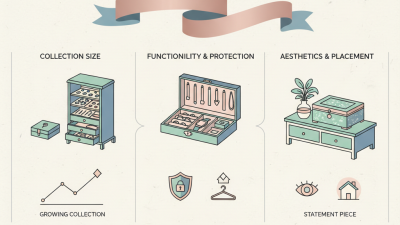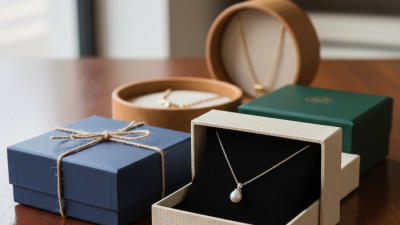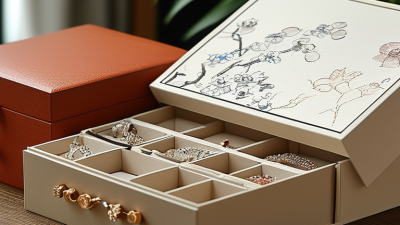
In the world of jewelry packaging, a well-crafted Necklace Box can make a profound difference. Susan Black, an industry expert with over 15 years of experience, once stated, “A beautifully designed Necklace Box not only protects the jewelry but also elevates the entire gifting experience.” This highlights the importance of choosing the right packaging for your necklaces, especially for global buyers looking for unique designs and quality.
When selecting a Necklace Box, consider the materials used. High-quality, eco-friendly materials create a lasting impression. The size also matters; it should complement the necklace while ensuring safety during shipping. Additionally, understanding cultural preferences plays a pivotal role in appealing to diverse markets. Reflect on how you can cater to these varying tastes.
However, many buyers overlook the significance of branding. A personalized touch can set your Necklace Box apart. It is crucial to avoid common pitfalls, such as generic designs or poor quality. Take the time to invest in creating a Necklace Box that resonates with your audience. The right approach can lead to greater customer satisfaction and brand loyalty.
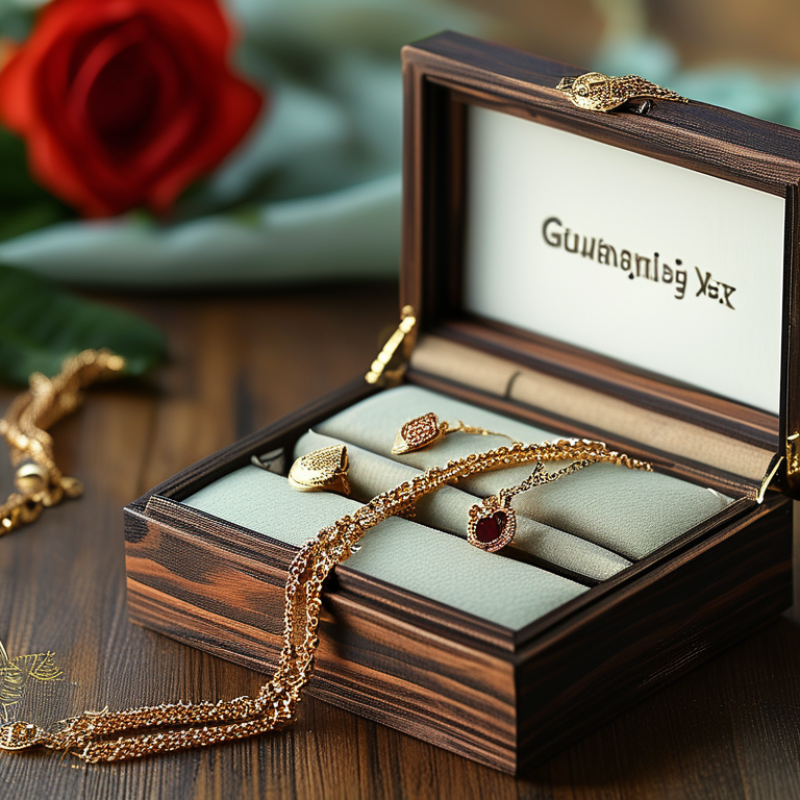
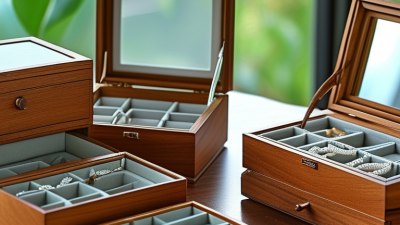
When looking for necklace boxes, buyers should focus on essential features that provide both functionality and aesthetic appeal. One important aspect is the materials used in the construction. High-quality materials like velvet, leatherette, or sturdy cardboard can protect necklaces from scratches and damage. A soft lining inside the box adds an extra layer of safety, preventing tangling and ensuring the jewelry remains pristine. Consider boxes with compartments or removable trays. This organization can help keep different styles separate and easy to access.
Another significant feature is the locking mechanism. A reliable closure can deter unauthorized access and keep the contents safe. Buyers might also want to look for customizable options, which allow them to express personal style through color or design. While many boxes look beautiful, not all are practical. Some may be too bulky for travel or too delicate for regular use. Identifying the right balance between style and functionality is key.
Reflecting on user experiences, many buyers have noted the importance of size. A box that is too small may not fit larger necklaces, while one that is overly large may take up unnecessary space. Keeping storage needs in mind is crucial. A necklace box should not only protect jewelry but also complement the buyer's lifestyle. These considerations will guide global buyers as they search for the ideal necklace box.
When selecting materials for necklace packaging, durability is key. Consumers prefer packaging that can withstand handling during shipping and storage. According to a recent industry report, 70% of buyers consider strong materials a top priority. Cardboard and rigid plastic are popular choices. They provide adequate protection, but their environmental impact must be addressed.
Sustainability is becoming increasingly important in packaging. Many companies are shifting to biodegradable materials. These alternatives offer similar durability without harming the environment. Reports indicate that 50% of customers are willing to pay extra for eco-friendly options. However, transitioning to sustainable materials can be challenging. Some companies may find it difficult to balance cost and durability.
Ultimately, the choice of materials impacts customer perception. High-quality packaging enhances perceived value. This requires ongoing reflection on material choices and their implications. Relying solely on traditional materials may hinder innovation. Companies must always seek better solutions to meet customer expectations while addressing sustainability.
When exploring design variations for necklace boxes, consider cultural trends and styles. Different regions appreciate unique aesthetics. For instance, minimalist designs may appeal to Scandinavian markets, while vibrant, colorful patterns resonate well with South American customers. Customized boxes that reflect local culture or symbolism can create a stronger emotional connection.
The choice of materials is also crucial. Eco-friendly materials are gaining popularity globally, catering to conscious consumers. However, ensuring durability remains important. A beautifully designed box is worthless if it falls apart easily. Incorporating sustainable yet robust materials can enhance the product's appeal.
Personalization options are increasingly in demand. Offering customers the chance to add their names or special dates can elevate the perceived value of the necklace boxes. This, however, raises challenges in production and inventory management. Balancing customization with efficiency is essential. Listening to customer feedback can guide improvements in this area.
| Tip Number | Feature | Description | Customization Options | Market Preferences |
|---|---|---|---|---|
| 1 | Material Quality | Use high-quality materials for durability. | Wood, metal, or eco-friendly materials. | Sustainable options trending globally. |
| 2 | Size Variability | Offer various sizes to fit different necklace types. | Small, medium, large with adjustable inserts. | Custom sizes for unique designs preferred. |
| 3 | Design Aesthetics | Ensure attractive designs that appeal to customers. | Colors, patterns, and textures. | Minimalist vs. ornate styles based on region. |
| 4 | Packaging Innovation | Focus on eye-catching and functional packaging. | Magnetic closures, eco-friendly options. | Unique unboxing experiences valued. |
| 5 | Branding Options | Customize boxes with brand logos and colors. | Embossing, printing, or stickers. | Strong branding increases recognition. |
| 6 | Safety Features | Include features to protect the necklace. | Soft interiors, compartments. | Safety emphasized in luxury markets. |
| 7 | Functionality | Design for easy accessibility and organization. | Dividers, hooks, or slots. | Functional designs gaining popularity. |
| 8 | Price Point | Consider market-sensitive pricing. | Custom options within budget. | Value for money expected in all regions. |
| 9 | Sustainability | Incorporate sustainable practices in production. | Recycled materials, biodegradable packaging. | Growing demand for eco-friendly products. |
| 10 | Feedback Integration | Gather and implement customer feedback. | Surveys, focus groups for refinement. | Buyer preferences influence future designs. |
When buying necklace boxes from global suppliers, it's vital to research and understand your market. Explore different materials and designs to maximize value. Cardboard, wood, and metal are common materials, each with unique pricing and aesthetics. Be mindful of shipping costs, which can inflate your total budget.
Look for local suppliers who offer competitive prices to minimize shipping fees. Compare multiple wholesalers to find the best deal without sacrificing quality. Sometimes, bulk orders can lead to significant savings, but consider your storage capacity.
Quality should never be compromised. While saving costs is important, substandard boxes can damage your jewelry. This can result in customer dissatisfaction, which harms your reputation. Evaluate brands carefully before committing. Seek reviews and manufacturer ratings to gauge reliability. In the end, being cost-effective is balancing price and quality for sustainable business growth.
Sustainable practices in necklace box production and sourcing are vital. Many manufacturers now prioritize eco-friendly materials. Bamboo, recycled paper, and biodegradable plastics are popular choices. These materials reduce environmental impact. Yet, sourcing can be tricky. Not all suppliers adhere to sustainable methods. It requires careful vetting and transparency.
Additionally, production processes often use harmful chemicals. This poses risks to workers and the environment. Implementing safer alternatives is essential. Many companies now seek certifications that ensure safe practices. However, securing these certifications can be complex.
It's also important to consider transportation. Shipping materials creates carbon footprints. Local sourcing can mitigate this issue, but finding quality local suppliers is not easy. Balancing quality, cost, and sustainability is a continual challenge. Reflecting on these aspects helps buyers make informed choices. Sustainable sourcing is not just a trend; it's a necessity for future generations.