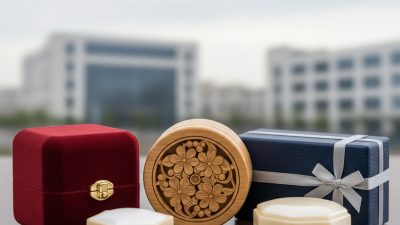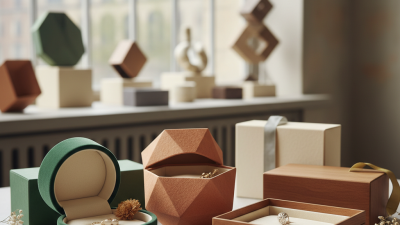
Choosing the right Ring Jewelry Box is not only a packaging decision. It affects presentation, protection, shipping cost, and the customer’s first impression. Global buyers often compare velvet cases, wooden boxes, leatherette designs, magnetic boxes, hinged cases, travel pouches, and sustainable paper options. Each style serves a different purchasing situation.
A jewelry retailer may prefer a compact velvet box for daily sales. A luxury brand may select walnut wood, soft microfiber lining, and a concealed hinge. Online sellers usually need stronger inserts and secure closures, because parcels can face vibration, pressure, and changing temperatures. Buyers should also check ring size compatibility, interior depth, material quality, branding options, minimum order quantities, and packaging consistency. Small details matter.
Not every attractive box performs well.
From practical sourcing experience, samples should be tested before placing a large order. Open and close the box repeatedly. Place different ring shapes inside. Shake the package gently and inspect the setting afterward. Some glossy finishes collect fingerprints, while delicate fabrics may show dust quickly. These weaknesses are easy to overlook in product photos.
This guide introduces ten common types of Ring Jewelry Box for international buyers. It considers appearance, protection, customization, sustainability, and cost. The best choice depends on the product, sales channel, target market, and delivery conditions. There is no universal winner. A beautiful box can still be impractical, and a simple design may create greater customer confidence. Careful comparison remains essential.
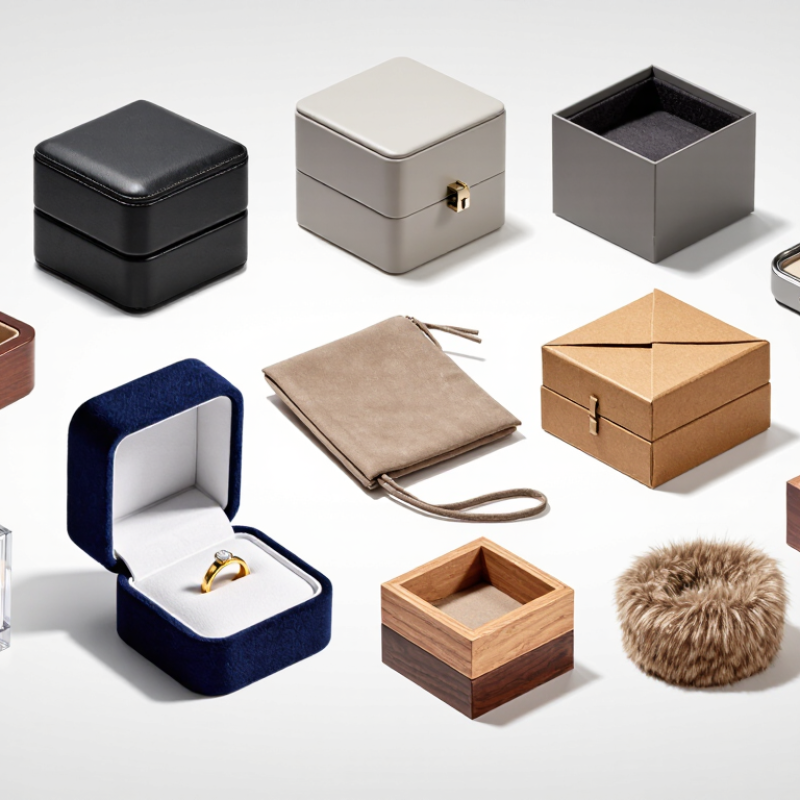
For global buyers, a ring jewelry box is more than attractive packaging. It protects a small, valuable item during handling, storage, and delivery. The top ten practical types include foldable, drawer-style, hinged, magnetic, travel, velvet-lined, wooden, paper-based, transparent, and custom-insert boxes. Each type suits a different sales channel. A ring box should hold the ring firmly without scratching its surface. The insert needs enough softness, but excessive padding can make the ring look hidden. Small details matter.
I have inspected packaging samples where the lid closed neatly but the ring shifted inside. That weakness became obvious after repeated opening. Reliable construction needs a stable base, accurate dimensions, and a closure that does not loosen easily. Global buyers also consider weight and shipping volume. A beautiful wooden box may feel premium, yet it can increase freight costs. A lighter paper-based box may be more practical for large orders.
Material information should be clear and supported by supplier records. Buyers often ask about coatings, recycled content, odor, and moisture resistance. These questions are reasonable. The box should arrive clean and dry across different climates. Color consistency also matters, especially for coordinated retail displays. Custom logos and inserts can improve presentation, but they may reduce flexibility for future products. I once preferred a highly customized sample, then found it unsuitable for another ring size. A sample check is essential. No design is perfect.
Single-ring boxes use a compact insert that holds one ring upright. They suit proposals, retail counters, and lightweight shipping.
Double-ring boxes include two channels, making them practical for wedding sets or coordinated gifts.
Travel ring boxes are smaller and often use firm foam, snap closures, or protective fabric. They reduce movement inside luggage.
Hinged boxes open smoothly and create a classic presentation. Magnetic-closure boxes offer quick access, but the magnet must be tested for strength and alignment.
Velvet-lined boxes provide a soft surface and help prevent visible scratches. However, loose fibers may collect around delicate settings.
Wooden ring boxes feel solid and add natural texture, though they can increase shipping weight.
Recycled-paper boxes are light, customizable, and suitable for buyers seeking lower material use.
A display box may include a clear window, raised insert, or small lighting feature. It supports product photography and counter presentation.
Custom-fit boxes use measured cavities for unusual ring shapes, reducing sliding during transport.
Experienced buyers should check insert firmness, hinge durability, odor, moisture resistance, and carton protection. A beautiful box can still fail after a long shipment.
I would test ten samples before approving a large order. Small gaps matter.
Packaging suppliers should provide material details, dimensions, sample photos, and consistent quality records. Prices alone rarely reveal the safest choice.
Ring boxes differ in materials, structures, and protective performance. Common types include hinged, drawer, magnetic, folding, travel, stackable, clamshell, wooden, metal, and recycled-pulp boxes. Cardboard keeps weight and shipping costs low, while wood and metal provide stronger walls. Velvet, microfiber, or cotton lining helps prevent surface scratches. EVA foam inserts hold rings firmly, but overly tight slots may mark delicate settings.
Structure affects daily handling. A hinged box opens quickly for retail displays. A drawer box uses less vertical space and suits organized storage. Folding boxes reduce shipping volume, although their creases can weaken after repeated use. Magnetic closures feel convenient, but weak magnets may open during transport.
For travel boxes
compact dimensions and secure elastic bands matter more than decoration.
Small details matter.
Protection should be checked with documented procedures. Buyers can request drop, compression, abrasion, and humidity test records. Insert density, lid alignment, and seam strength deserve physical inspection. Packaging should also protect against dust, impact, and moisture during international transit.
Requirements vary by destination, so suppliers should provide material declarations and consistent quality records.
In practice, no box is perfect. I have found attractive boxes with poor hinge durability. A careful sample review may reveal problems that photographs hide. Weight, recyclability, odor, and repairability also deserve attention before large-volume purchasing.
Choosing a ring jewelry box for global markets requires more than matching colors with a logo. Start with the selling channel, climate, shipping distance, and customer expectations. A hinged velvet box suits premium retail, while a slim drawer box reduces volume for online orders. Ring rolls work well for travel collections. Recycled paper boxes fit minimalist markets, but moisture can weaken them.
Parcel performance matters. The Pitney Bowes Parcel Shipping Index recorded 161.1 billion parcels worldwide in 2022. That volume makes compact, shock-resistant packaging commercially sensible. Test magnetic closures, insert movement, and corner compression before selecting a supplier. A beautiful box that opens during transport is a poor investment. I have seen this mistake repeatedly.
Material choices should reflect regional preferences and environmental pressure. UNEP’s 2023 report states that plastic pollution could fall by 80% by 2040 through reuse, recycling, and better design. For European buyers, molded paper, FSC-certified board, and low-plastic interiors may support procurement goals. In humid markets, however, untreated paper may absorb moisture. Consider coated board or sealed wood instead. Keep it practical.
Color and format also need localization. Deep red may perform well during festive retail periods, while neutral black, ivory, or kraft tones offer wider year-round use. For luxury counters, use a rigid two-piece box with a soft ring slot. For marketplaces, choose a lightweight folding box with replaceable inserts. Do not assume one design fits every market; that assumption deserves a second review.
Top 10 Types of Ring Jewelry Boxes for Global Buyers
Global buyers commonly source hinged, slide, drawer, magnetic, clamshell, travel, velvet, wooden, paperboard, and multi-ring boxes. Each format supports a different retail experience. Hinged boxes feel traditional, while drawer boxes improve shelf presentation. Travel cases need secure closures and compact dimensions. Paperboard options reduce shipping weight, but they may feel less luxurious.
Customization affects cost, protection, and lead time. Suppliers can adjust foam density, fabric, logo placement, insert color, and box dimensions. A 2 mm size change can affect carton quantities and freight efficiency. The Smithers report, The Future of Global Packaging to 2028, values the worldwide packaging market at over US$1 trillion, showing the scale of packaging demand. However, luxury packaging data from Grand View Research indicates that presentation remains closely linked to perceived product value. This link is useful, but not universal.
Tips: Request a physical sample before approval. Test drop resistance, hinge movement, odor, and color consistency. Ask for material specifications, carton measurements, minimum order quantities, and production photos. International sourcing also requires clear Incoterms, labeling details, and realistic inspection schedules. FSC-certified paper may support responsible sourcing claims, but certification should be verified. I have seen attractive prototypes fail during transport. That risk deserves more attention. Suppliers sometimes promise “eco” materials without measurable evidence. Buyers should question those claims.
Scores use a practical 1–5 sourcing framework: higher customization flexibility means more available options for shape, color, printing, inserts, and finishes; higher packaging efficiency indicates better suitability for compact export packing; higher sourcing simplicity reflects fewer material, tooling, and production constraints. The scores are comparative planning indicators rather than market-share statistics.