How to Organize Your Jewelry for Better Storage and Easy Access
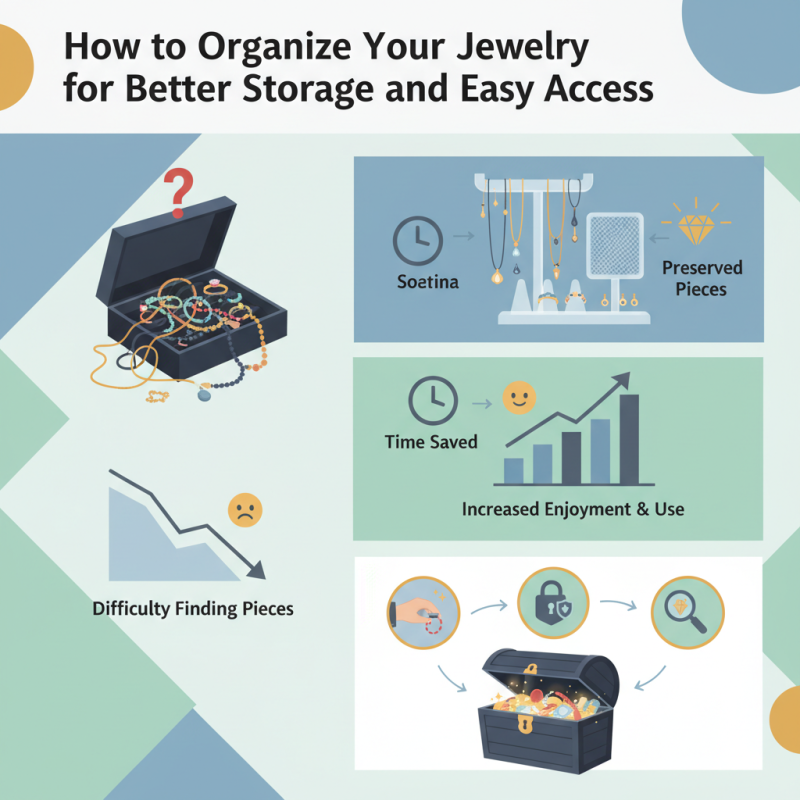
In today's world, where personal expression and style are paramount, organized jewelry storage has become a considerable topic of interest. According to a report by the Jewelry Industry Research Institute, more than 60% of jewelry owners admit to having difficulty finding their pieces due to disorganized storage methods. This has led to increased frustration and even the neglect of valuable items. As noted by renowned jewelry storage expert, Sarah Langston, "A well-organized jewelry box not only saves time but also preserves your pieces for years to come." This statement underscores the importance of creating an effective storage solution that prioritizes both accessibility and protection.
Moreover, as the jewelry market continues to thrive, with estimated sales reaching $300 billion by 2024, the need for efficient jewelry storage solutions becomes ever more pressing. Efficient storage strategies can help individuals appreciate and utilize their collections better, ultimately enhancing their overall experience. With growing awareness of the significance of organized jewelry storage, it is essential to explore practical approaches that can simplify access and maintain the condition of treasured items, empowering jewelry lovers to enjoy their collections to the fullest.
Choosing the Right Jewelry Storage Options for Your Needs
When it comes to organizing your jewelry, choosing the right storage options is crucial for both
functionality and aesthetics. One of the first steps is to assess the type and quantity of jewelry you own. For a small collection,
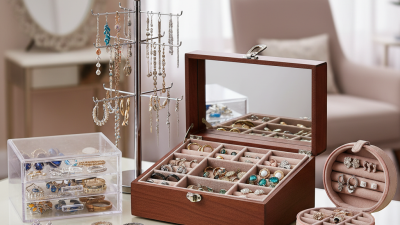
a simple jewelry box with compartments can suffice, while larger, more diverse collections might benefit from
multi-tiered organizers or wall-mounted displays. Consider materials and designs that reflect your style;
for instance, vintage wooden boxes can add a quaint touch, whereas sleek acrylic options promote a modern aesthetic.
Another important factor is accessibility. If you frequently wear certain pieces, opt for storage that keeps these items
visible and within reach. A decorative dish on your dresser or a hanging organizer can serve both to display and to simplify access.
Additionally, dividing jewelry by type—such as necklaces, earrings, and bracelets—can help streamline your morning routine, ensuring that
you always know where to find your favorite items. Ultimately, the right storage solution should not only protect your jewelry from damage
but also enhance your daily experience by making it easy to enjoy your collection.
Assessing Your Jewelry Collection: Types and Frequency of Use
When organizing your jewelry collection, the first step is to assess the types of items you own and how frequently you wear them. Begin by categorizing your pieces into groups such as necklaces, earrings, bracelets, and rings. This will help you identify which types of jewelry are most prominent in your collection and allow you to evaluate if there are pieces you rarely use. For instance, if you notice that you have numerous statement necklaces but wear them infrequently, you might choose to store them in a way that keeps them accessible yet out of the way.
Next, consider the frequency of use for each category. Everyday pieces, like simple studs or delicate chains, should be placed in a location that is easy to reach, perhaps in a dedicated drawer or tray. On the other hand, formal pieces that you wear less often can be stored in a more protected area, like a box or on a display stand, to keep them safe and untangled. By prioritizing accessibility based on how often you wear certain items, you create a functional system that not only streamlines your routine but also allows you to showcase your favorite pieces when you're not wearing them.
Jewelry Organization: Types and Frequency of Use
Sorting and Categorizing Jewelry for Efficient Organization
Organizing jewelry can significantly enhance both storage and accessibility, allowing individuals to easily locate and enjoy their treasured pieces. According to a survey by the Jewelry Personal Assistant, nearly 70% of respondents reported frustration stemming from the inability to find specific jewelry items due to poor organization. To tackle this issue, sorting and categorizing jewelry is essential.
One effective method involves grouping pieces by type, such as earrings, necklaces, bracelets, and rings. This structured approach not only simplifies the selection process but also reduces wear and tear on delicate items. The American Society of Jewelry Professionals recommends using compartmentalized storage solutions, like trays or boxes, that allow for easy differentiation of categories. Additionally, color-coding jewelry items can enhance visual appeal and make it easier to coordinate with outfits.
Another crucial aspect of jewelry organization is the frequency of use. According to the National Jeweler Statistics, 40% of jewelry is worn only occasionally. By identifying frequently used pieces and placing them in accessible locations, individuals can streamline their routines while ensuring that special items remain safely stored. Overall, investing time in sorting and categorizing jewelry can lead to a more efficient and enjoyable experience, turning chaos into curated elegance.
How to Organize Your Jewelry for Better Storage and Easy Access
| Jewelry Type |
Storage Method |
Access Frequency |
Recommended Container |
| Necklaces |
Hanging Organizer |
Daily |
Suction Wall Hooks |
| Earrings |
Earring Holder |
Weekly |
Small Acrylic Cases |
| Bracelets |
Drawer Organizer |
Occasionally |
Canvas Tray |
| Rings |
Ring Box |
Daily |
Cloth Lined Boxes |
| Brooches |
Jewelry Case |
Rarely |
Felt Lined Displays |
Utilizing Space Creatively: Tips for Small and Large Collections
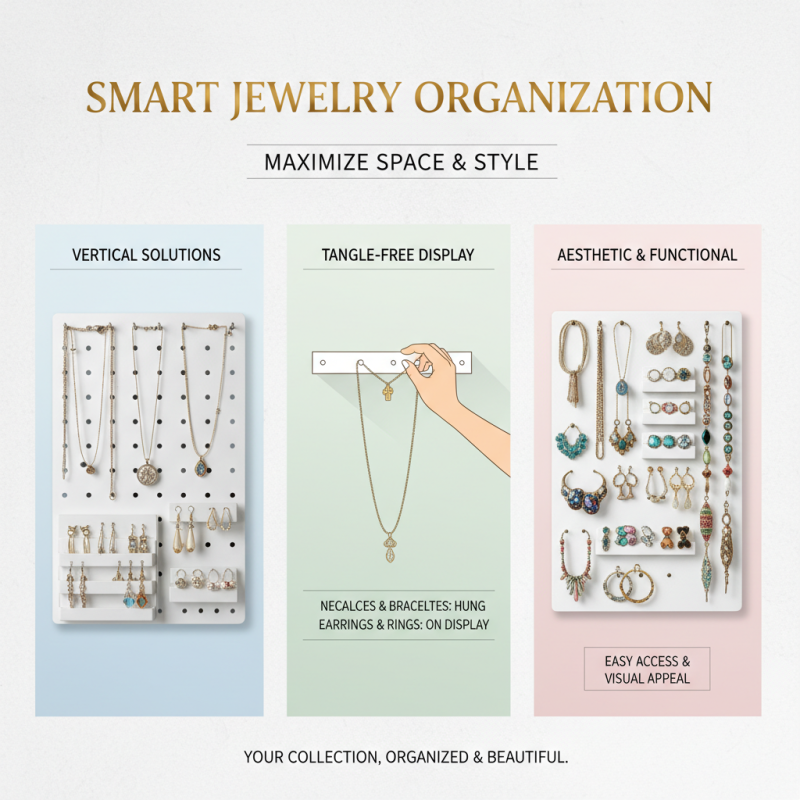
When it comes to jewelry organization, maximizing your space can lead to a more functional and aesthetically pleasing collection, whether yours is small or vast. One creative approach is to use vertical space. Wall-mounted organizers or pegboards can hold your necklaces, bracelets, and earrings without consuming precious surface area. They not only keep your pieces tangle-free but also serve as an eye-catching display, allowing you to mix and match effortlessly.
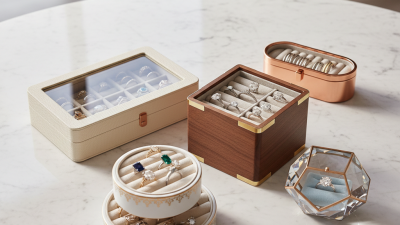
For larger collections, consider categorizing jewelry by type or occasion. Use drawer dividers that can be customized to your needs, ensuring each piece has a designated spot. You might separate daily wear from special occasion items or group jewelry by color. This method enhances accessibility and helps you find what you need in a flash. Additionally, transparent storage boxes can stack neatly, making it easy to see your entire collection without rummaging through clutter.
Lastly, think outside the box by repurposing everyday items for storage. A fishbowl can elegantly house chunky bracelets, while a small jewelry box can keep rings organized. Even kitchen organizers can double as jewelry storage solutions. This way, you can stay organized while also incorporating your personality into your storage methods.
Maintaining Your Jewelry Organization System for Long-Term Access
To maintain your jewelry organization system for long-term access, it's essential to establish a routine for both storage and periodic checks. Regularly revisiting your organization system can help you identify any pieces that may need cleaning or repairs. Set a schedule—perhaps monthly or quarterly—where you take the time to go through your jewelry collection. This will not only keep your items in tip-top shape but also ensure you're aware of what you have, making it easier to choose the perfect accessory for any occasion.
Tips: Consider using a designated space for each type of jewelry, such as necklaces, earrings, and bracelets. Clear boxes or drawer organizers can help keep everything visible and accessible. Labeling your containers can also streamline the process, saving you time when you’re searching for that specific piece.
Additionally, as you rotate through your collection, take the opportunity to reassess your preferences. Styles may change over time, so don't hesitate to donate or sell pieces that no longer resonate with you. This will not only create more space for new additions but also ensure that your collection remains meaningful and enjoyable.