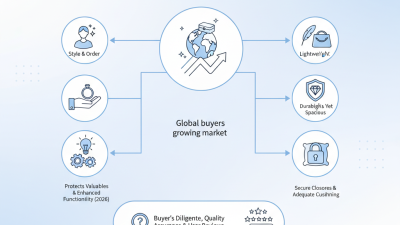
Sourcing a Pu Storage Box in 2026 requires more than comparing catalog prices. Buyers must connect material quality, factory capability, design details, and delivery reliability. A box may look polished online, yet feel thin, smell strongly, or collapse under everyday use. The real evaluation begins with a physical sample.
Elena Marquez, a procurement specialist in PU home-organization products, says, “A reliable Pu Storage Box should survive handling before it reaches the customer.” Her point is practical. Ask suppliers about the PU surface, inner board, foam density, stitching, handle strength, and abrasion resistance. Request close-up photographs, production samples, and test records. Check whether the lid closes evenly and whether metal parts leave marks on the surface. Small flaws become expensive at scale.
Factory selection also deserves careful attention. Review production videos, inspect quality-control procedures, and confirm the supplier’s monthly capacity. Discuss minimum order quantities, sample fees, packaging protection, lead times, and shipping terms before placing a deposit. A simple inspection checklist helps, although it may still miss hidden defects. That is the uncomfortable part.
Buyers should compare at least three suppliers using the same specifications. A cheaper quote can hide weaker boards, inconsistent color, or poor carton protection. In 2026, responsible sourcing also means reviewing material declarations and applicable product-safety requirements for the destination market. Choose evidence over promises. Then refine the design after real user feedback, because the first version is rarely perfect.

When sourcing a PU storage box in 2026, define its purpose before contacting suppliers. A box for jewelry needs different protection than one for cables or travel accessories. Record the external and internal dimensions in millimeters. Leave enough space for lining, seams, and hand movement. Specify the PU surface, thickness, color, texture, and odor requirements. Also describe the base, lid structure, hinge strength, and closure type. Vague terms such as “premium quality” create inconsistent samples.
Tips: Prepare a one-page specification sheet with simple drawings. State the target load, expected use frequency, and packaging method. Request material data, sample photos, and a physical sample. Check stitching, edge painting, compression recovery, and surface marks under bright light. A basic drop test can reveal weak corners. Do not skip the smell check.
A first specification is rarely perfect. In practical development, a box may look attractive but waste space inside. Another may feel sturdy yet become difficult to open. Ask the supplier to record dimensions after assembly, not only before production. Confirm acceptable tolerances, color references, inspection timing, and replacement procedures in writing. Keep one approved sample as the comparison standard. Small details matter. If the lid shifts by only a few millimeters, the box can appear poorly made. I would also review the design after handling it repeatedly, because real use often exposes assumptions that drawings hide.
Polyurethane quality varies widely, even when two samples look identical. According to Grand View Research, the global polyurethane market was valued at about USD 75.9 billion in 2022. Its projected growth reflects rising demand, but it does not guarantee better products. Ask suppliers for the PU grade, backing material, thickness, and surface treatment. A reliable supplier should provide test records, not only attractive photographs.
Inspect the box by hand. Press the lid and corners repeatedly. Good construction should resist permanent dents and recover its shape. Check whether the PU cover is bonded evenly to the board or foam core. Loose edges often appear near hinges and handles. Examine stitching density, thread tension, and corner reinforcement. The American Society for Testing and Materials provides abrasion methods, such as ASTM D3884, that can support wear evaluations. However, abrasion results alone cannot predict long-term hydrolysis or peeling. That limitation deserves attention.
Tips: Request samples from different production batches. Compare color, odor, thickness, and seam strength. Leave one sample in a warm, humid room for several days. Then inspect cracking, stickiness, and delamination. A perfect showroom sample can still hide weak corners. I have found that suppliers sometimes measure material thickness from the highest point, not the average. Confirm the measurement method in writing, and photograph every inspection detail.
Sourcing a PU storage box in 2026 starts with verification, not attractive online photos. Reliable manufacturers should provide a registered business address, factory details, production capacity, and clear contact information. Ask how PU materials are selected, bonded, stitched, and tested. A professional supplier can explain foam density, surface finish, odor control, and load limits without vague promises. Request recent samples and inspect the corners, hinges, lining, seams, and lid alignment by hand. Small defects reveal weak process control.
Before discussing volume, review the supplier’s quality procedures and production records. Ask for material specifications, inspection standards, and batch traceability. Independent testing may check restricted substances, colorfastness, odor, and structural performance. Confirm that packaging protects the boxes during container transport. Crushed corners are expensive evidence. Compare at least three quotations, but do not select the lowest price automatically. A low quote may hide thinner panels, cheaper hardware, or unstable production planning. Confirm minimum order quantities, lead times, payment terms, replacement policies, and communication schedules in writing.
A factory audit, video call, or third-party inspection adds useful evidence. Observe whether workers measure consistently and whether finished goods match approved samples. Fast replies are not proof of reliability. Documented controls matter more. Stay skeptical. Recheck color under daylight, test a filled box on a shelf, and repeat inspections before shipment. Choose suppliers that answer difficult questions clearly and correct problems with records, not excuses. Even experienced buyers can miss small weaknesses during rushed approvals.
Pricing changes with board thickness, PU coating, lining, hinges, printing, and packing. For a standard 30 × 30 × 15 cm box, factory quotations commonly range from US$2.80 to US$6.50 at 500 pieces. Grand View Research valued the global synthetic leather market at roughly US$36 billion in 2023, showing strong material availability. However, market size does not guarantee a low unit price.
Minimum orders often start at 300 to 1,000 pieces for standard colors. Custom molds, embossed logos, or unusual dimensions may require 1,500 pieces. Samples usually cost US$30 to US$120, plus freight. Ask whether the sample fee is refundable. Some suppliers say yes, but their terms can be unclear. Request a written quotation with material thickness, foam density, carton size, and defect tolerance.
A basic sample takes 7 to 12 days. Custom samples may need 15 to 25 days. Production commonly requires 25 to 45 days after approval, while peak-season capacity can add two weeks. QIMA’s 2024 quality-inspection reporting continues to emphasize early checks and pre-shipment inspections for consumer goods. Arrange a first-article inspection before mass production. I would also test stitching, odor, color transfer, and hinge strength. A visually perfect sample can still hide weak cardboard or uneven adhesive. Build at least ten buffer days into the launch schedule.
Sourcing a PU storage box in 2026 starts with documented compliance. Ask for the PU composition, backing material, dyes, adhesives, and test reports. Confirm that reports match the exact production material, not an older sample. Requirements differ by destination, so check chemical restrictions, labeling rules, packaging obligations, and product safety duties. Do not accept “export quality” as evidence. Request batch records and a signed inspection plan.
Packaging needs practical testing. A box may look excellent in a showroom but arrive with crushed corners. Test packed units with vibration, compression, and drop checks. Specify carton strength, inner protection, moisture control, and maximum carton weight. Photograph the loading process when possible. Confirm shipping marks, carton counts, dimensions, and document responsibilities. The buyer and supplier should clearly assign customs paperwork, duties, insurance, and delivery risk under the chosen shipping term.
Supplier terms should describe dimensions, material thickness, color tolerance, stitching, hardware, odor limits, and acceptable defect levels. Include sample approval, production lead time, minimum order quantity, inspection rights, replacement rules, and payment stages. Do not rely on chat promises. Put every change into the purchase agreement. I once overlooked a carton measurement, and freight costs increased unexpectedly. That mistake still shapes my checks. Reconfirm measurements before production. Small details matter.
Verify compliance, packaging efficiency, shipping capacity, and supplier terms before placing a purchase order.
Approximate nominal internal container volumes. Actual usable capacity depends on carton dimensions, loading method, palletization, and carrier equipment.
Request material declarations, test reports, and REACH information. Articles containing a Candidate List substance above 0.1% by weight require communication duties in the EU.
Confirm packed dimensions, gross weight, carton strength, moisture protection, labeling, and whether wood packaging complies with ISPM 15 when applicable.
Use the selected container capacity to estimate carton quantity, then validate the loading plan. Confirm the agreed Incoterms® 2020 rule, port, insurance, and export documents.
Put MOQ, sample approval, production lead time, inspection rights, defect handling, warranty, payment milestones, and change-control requirements in the purchase agreement.
For EU-bound packaging, Regulation (EU) 2025/40 on packaging and packaging waste generally applies from 12 August 2026. Check the destination-market rules and the latest Candidate List before shipment.