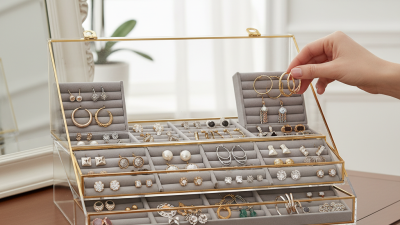
Earrings are small, valuable, and surprisingly easy to lose. A crowded drawer can hide one pair while damaging another. Grand View Research’s Jewelry Market Size, Share & Trends Analysis Report (2024) identifies continued growth in jewelry demand, making practical home care increasingly relevant. More jewelry also means more pieces competing for limited storage space.
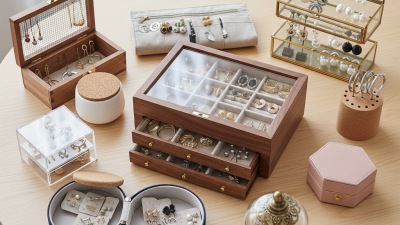
Effective Earring Storage should prevent tangles, reduce friction, and keep pairs visible. The Gemological Institute of America advises storing jewelry separately to limit scratching and abrasion. That guidance applies to earrings, especially when posts, hooks, or delicate stones touch each other. A divided tray, pegboard, or compact earring organizer can create separate spaces for each pair. Small details matter. Think clear compartments, soft lining, and easy access.
Humidity deserves attention. The American Gem Society recommends keeping jewelry clean, dry, and protected from harsh chemicals. A bathroom shelf may seem convenient, but steam can encourage tarnishing on some metals. A bedroom drawer is often safer. Not always perfect.
McKinsey & Company’s State of Fashion: Watches and Jewellery report highlights jewelry’s expanding importance as a personal and fashion category. As collections grow, storage should support regular use rather than simply hide clutter. Group studs, hoops, and drop earrings by style or frequency. Keep everyday pairs near the front. Store valuable or fragile pieces in closed compartments.
This guide explores simple ways to organize Earring Storage without tangles. It also examines common mistakes, because even a beautiful organizer can fail when overcrowded. The goal is practical: clearer choices, safer handling, and fewer missing earrings.
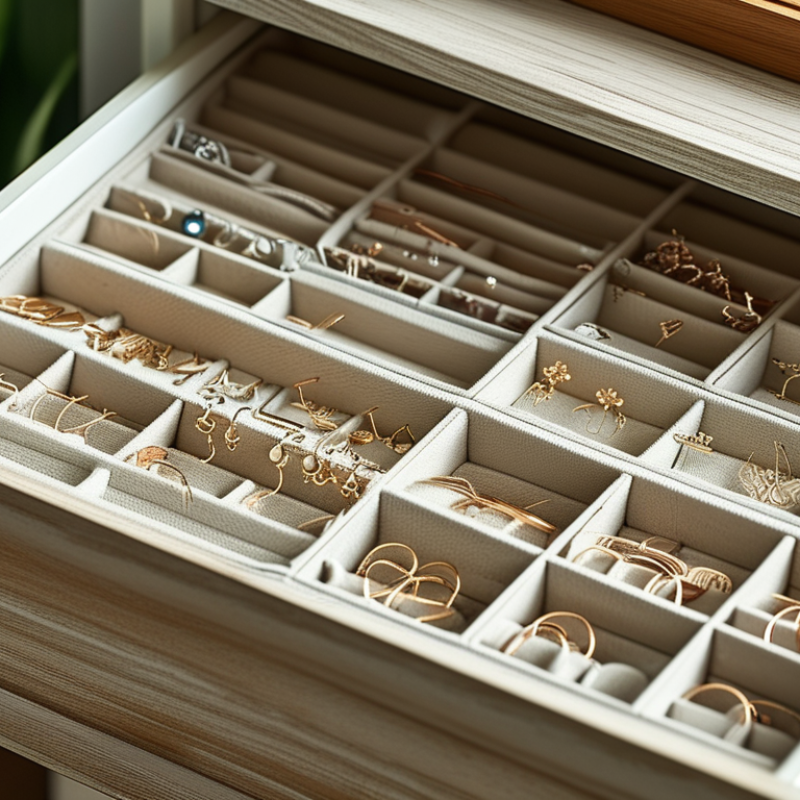
Before choosing an organizer, spread every earring on a clean, light-colored cloth. Count pairs, single pieces, and earrings missing backs. I once bought storage for an imagined collection, not my real one. The result wasted space. Separate daily studs from occasional hoops and long, delicate drops. Note which pieces need pairs kept together. This simple audit reveals whether you need slots, hooks, or small lidded compartments.
Measure the drawer, shelf, or wall area available, including opening clearance. A narrow tray may suit twenty small studs, while long earrings need vertical room. Keep frequently worn pieces at eye level. Store sentimental or fragile items in individual compartments. Avoid overcrowding; tangled wires can bend when pulled apart. Check the room’s humidity too, especially near a bathroom. Dry, stable conditions help reduce tarnish and protect sensitive finishes. Not every organizer deserves trust. Inspect sharp edges, loose dividers, and closures before placing jewelry inside.
Your routine matters as much as your collection size. If you remove earrings beside the bed, a small divided dish may work better than a distant cabinet. If you travel often, choose a secure case with soft separation. Leave room for future purchases, but do not plan around endless growth. I still revise my layout every few months. Some categories looked useful, then became clutter. A quick monthly check can expose missing backs, dust, or pieces you no longer wear. Label only when labels genuinely save time.
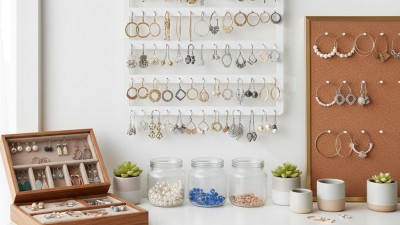
Different earrings need different storage. Studs stay secure in a small compartment tray or a soft foam board. Push the posts through the foam, then attach each backing behind the board. This keeps pairs visible and prevents tiny pieces from rolling away. Hoops need more space. Hang them on a grid panel or several slim hooks. Large hoops can bend when tightly packed, so leave a little room between them. Drop earrings should hang freely from a divided organizer. Their chains will tangle less when each pair has its own section.
Tips: Keep daily earrings near the mirror. Store delicate pieces flat. Use clear labels for unusual shapes. Check the clasps every few weeks. A missing backing can ruin an otherwise organized drawer.
I have found that sorting earrings by type works better than sorting only by color. It makes choosing faster, especially during busy mornings. However, my first storage layout was too crowded. I underestimated the space needed for long drops. Reconsider it after a week of use. If earrings overlap, the container is probably too small. Soft fabric pouches can protect polished surfaces, but they may hide small studs. For valuable or sentimental earrings, choose a secure, dust-resistant box and keep pairs separated.
Untangling earrings becomes easier when every pair has a clear home. In my organizing experience, sorting by style works best for daily routines. Keep studs in small divided sections, while hoops hang on a narrow grid. Store long drop earrings separately, so their wires cannot catch nearby pieces. This simple separation makes matching pairs faster and reduces handling.
Material also matters. Keep silver-colored pieces away from damp areas, since moisture can encourage tarnishing. Place delicate finishes in soft, dry compartments. Avoid mixing heavy metal earrings with lightweight resin or fabric designs. Their edges may scratch or deform softer materials. I once stored several materials together and regretted it later. The layout looked tidy, but the surfaces showed tiny marks.
Tips: Place frequently worn earrings near eye level. Keep occasional pieces in labeled drawers or covered trays. Use one compartment for each pair, not each individual earring. A small card can record material and cleaning needs. Review the storage every few months. Your habits may change, and the original arrangement may stop working. Leave a little empty space. Crowded sections create tangles, even when the categories seem correct.
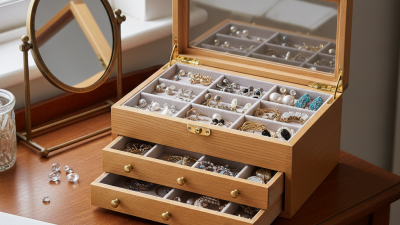
Earring storage works best when every pair has its own small space. Mixing loose studs, hooks, and hoops creates pressure, scratches, and frustrating knots. I use a compartmented tray with shallow sections, so each pair stays visible and easy to reach. Keep pairs together. For studs, push both posts through a soft card or fabric strip, then secure the backs behind it. This prevents tiny pieces from disappearing under larger earrings.
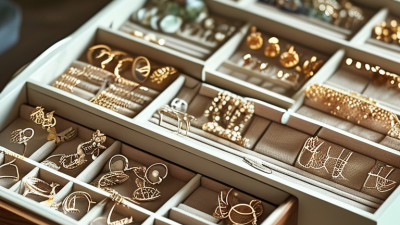
Hoop earrings need extra room because their shapes can catch on one another. Place them flat, with the clasps facing inward rather than outward. Soft lining helps. A velvet-like surface can reduce rubbing, although it may collect dust if left uncovered. I once stored several delicate pairs in one deep box, and their wires bent within weeks. That mistake showed me that more storage space does not always mean safer storage.
Check the arrangement every few weeks. Remove damaged backs, untangle one pair at a time, and wipe metal surfaces with a clean, dry cloth when appropriate. Do not overfill. Leave enough space for fingers to lift each pair without dragging neighboring pieces. Small labels can help identify everyday earrings, formal designs, or sensitive materials. If children or pets can access the area, place the organizer in a secure location. A closed drawer may protect jewelry better, but poor visibility can make rushed handling more likely. My system still needs adjustment, especially after busy mornings.
| Storage Method | Typical Capacity | Tangle Prevention | Damage Protection | Visibility | Best For | Organization Tip |
|---|---|---|---|---|---|---|
| Earring Card Organizer | Approximately 24–60 pairs, depending on card size | Excellent | High; each pair stays separated and posts remain aligned | Excellent | Studs, hoops, and lightweight drop earrings | Insert the post through two separate holes and secure the backing behind the card. |
| Compartment Jewelry Box | Approximately 12–40 pairs | Very good | High when compartments are padded and appropriately sized | Good | Mixed collections and valuable earrings | Place only one pair in each compartment; use smaller sections for studs and larger sections for hoops. |
| Clear Drawer Tray with Dividers | Approximately 20–60 pairs per tray | Very good | Good; reduces contact between pieces and prevents scratching | Excellent | Large collections stored inside a drawer | Adjust dividers so earrings cannot slide into neighboring sections. |
| Wall-Mounted Mesh Panel | Approximately 30–100 pairs, depending on panel size | Excellent | Good; keeps earrings suspended and easy to access | Excellent | Hook earrings and frequently worn pieces | Arrange pairs in vertical rows and leave space between long earrings to prevent overlap. |
| Individual Zip Pouches | One pair per pouch | Excellent | Very high; limits friction, dust, and contact with other jewelry | Fair | Travel, seasonal pieces, and delicate earrings | Label each pouch and remove excess air before placing it in a storage box. |
| Soft-Lined Hanging Organizer | Approximately 20–80 pairs | Very good | Good; fabric compartments cushion jewelry | Good | Small spaces and lightweight collections | Use separate pockets for each pair and keep heavy earrings in lower compartments. |
| Divided Ice Cube Tray | Approximately 12–24 pairs per tray | Good | Moderate to good; works best when each section is clean and dry | Good | Budget-friendly storage for studs and small hoops | Line each compartment with a soft, lint-free material if the tray has hard plastic edges. |
| Threaded Earring Board | Approximately 20–50 pairs | Excellent | Good; earrings remain separated and visible | Excellent | Hook earrings and decorative drop styles | Group earrings by type or color, and keep long styles at the bottom to avoid overlap. |
| Small Lidded Bead Containers | One to three pairs per compartment | Excellent | Very high when pieces are individually separated | Good | Tiny studs, backs, and delicate components | Store the matching pair and its backs together, but avoid overfilling the compartment. |
A reliable earring storage system starts with visibility, not decoration. The global jewelry market was valued at approximately $353 billion in 2023, according to Grand View Research. That scale reflects how many small pieces enter modern wardrobes. More earrings require a repeatable system.
Use a divided tray, pegboard, or shallow drawer insert. Keep studs in paired compartments, and hang hoops on separate rows. Leave one empty section for new purchases. This prevents overcrowding and makes missing pieces noticeable. Store delicate hooks upright, with backs placed in a small lidded container. I once mixed silver-toned backs with gold-toned ones; the mistake made morning dressing slower.
Review the system every month. The 2024 U.S. Houzz Kitchen Trends Study reported that 47% of renovating homeowners upgraded pantry storage, showing continued demand for dedicated organization. Jewelry deserves the same logic, even in a smaller space. Label compartments by type or frequency of use. Place everyday earrings near the mirror, while occasional pairs can stay in a closed drawer. Use soft dividers to reduce scratching, and wipe earrings before storage if makeup or moisture remains. The system should survive a rushed morning. Mine does not always. That is useful feedback. If a compartment repeatedly becomes messy, its category may be too broad, or the container may be too small. Adjust the layout instead of blaming yourself.