10 Essential Tips for Choosing the Perfect Ring Earrings?
Choosing the perfect Ring Earrings can be a delightful yet challenging task. With countless styles and designs available, navigating through options becomes essential. The right choice can enhance your look and express your personality.
When selecting Ring Earrings, consider factors like material, size, and occasion. Gold, silver, and platinum each have unique qualities. Think about how these materials resonate with your style. Also, the size should complement your face shape and personal preference. We all have different tastes, and sometimes we may overlook what truly suits us.
It’s crucial to reflect on your lifestyle too. Will you wear them daily or for special events? Comfort should not be neglected. Even stunning designs may feel cumbersome if not thoughtfully chosen. Embrace imperfections; sometimes, a flawed pair can tell a more personal story than a perfect one. Choosing Ring Earrings is not just about aesthetics; it’s also about finding pieces that resonate with you.
Understanding the Different Types of Ring Earrings Available
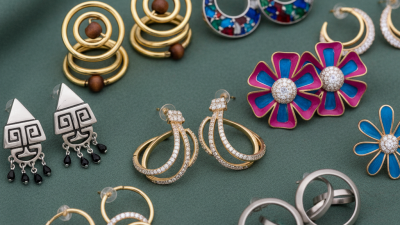
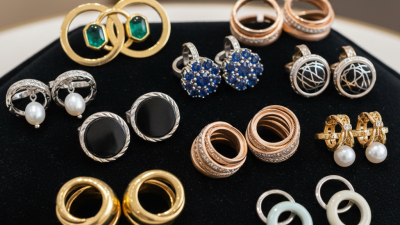
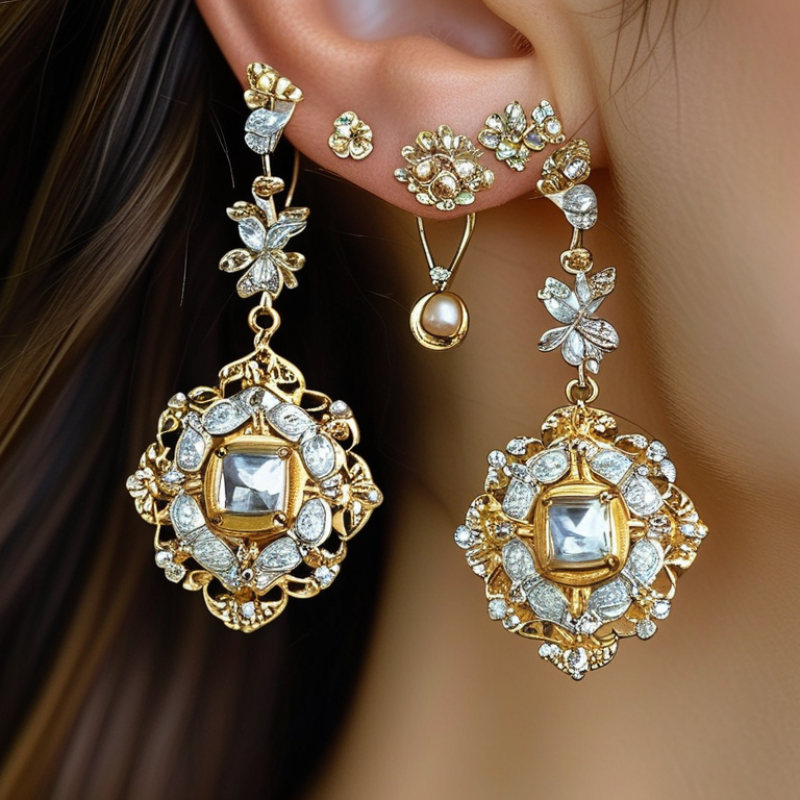
When selecting ring earrings, it's crucial to understand the different types available. Studs are a classic choice, characterized by their minimalist design. They sit close to the earlobe, making them suitable for everyday wear. Hoops offer a bolder look, available in various sizes, from small and delicate to large and dramatic. They can add flair to any outfit.
Dangles and drops provide movement and elegance. These earrings often feature intricate designs. Another type is the ear cuff, which wraps around the ear. This style can be edgy and is perfect for those looking to make a statement. Each type has its unique charm and can fit different occasions.
Consider your personal style and comfort when choosing. Not all styles will look great on everyone. Trying on different shapes can help determine what suits you best. Sometimes, a ring earring will feel perfect but may not complement your look. Reflect on how each pair enhances your overall appearance. Fashion should be fun, but it requires exploration and thought.
10 Essential Tips for Choosing the Perfect Ring Earrings
Assessing Your Personal Style and Preferences for Ring Earrings
When choosing ring earrings, understanding your personal style is crucial. Consider the types of outfits you wear most. Do you favor classic, modern, or bohemian styles? Your choice of ring earrings should complement your wardrobe. For instance, if you often wear casual attire, opt for simpler designs that won’t overwhelm your look.
Colors also matter. Think about the shades you are drawn to. Are you more comfortable in gold, silver, or gemstones? The right metal can significantly impact how the earrings feel on you. If you favor warmer tones, gold might resonate more than silver. Reflect on your preferences. Sometimes, the most daring choices can express a part of you that you’ve hidden away.
Don’t shy away from experimentation. Trying different styles may seem overwhelming, yet it can be eye-opening. Play with sizes and shapes. Larger hoops can make a bold statement, while small studs embody subtlety. Take your time to explore. Instead of rushing the decision, allow yourself to consider various options that might seem out of your comfort zone. This thoughtful approach can truly reveal what resonates with your style.
10 Essential Tips for Choosing the Perfect Ring Earrings
| Tip Number |
Tip Description |
Considerations |
| 1 |
Assess Your Style |
Determine if you prefer classic, modern, or trendy styles. |
| 2 |
Consider Your Face Shape |
Certain shapes complement different face structures. |
| 3 |
Material Matters |
Choose materials that suit your skin type and lifestyle. |
| 4 |
Choose the Right Size |
Ensure a comfortable fit for extended wear. |
| 5 |
Color Coordination |
Select colors that complement your wardrobe. |
| 6 |
Budget Wisely |
Set a budget that allows for quality without overspending. |
| 7 |
Think About Occasion |
Choose earrings suitable for everyday wear or special events. |
| 8 |
Research Styles |
Look into the latest trends and timeless designs. |
| 9 |
Ask for Opinions |
Get feedback from friends or family on your selections. |
| 10 |
Enjoy Your Choice |
Wear what makes you feel confident and happy. |
Evaluating the Quality of Materials Used in Ring Earrings
When selecting ring earrings, evaluating the quality of materials is crucial. The metal type significantly influences durability and appearance. Look for metals like sterling silver, gold, or platinum. Each has its unique characteristics. Sterling silver offers flexibility but can tarnish. Gold is more resistant to wear, while platinum is the most durable.
Gemstones also play a key role in the overall quality. Natural stones, such as sapphires or diamonds, tend to have higher value than synthetic ones. While synthetic stones can look stunning, they may lack the same charm and story. Examine the cut and clarity for additional insight. Flaws are not always negative; they can add character.
Researching vendors can also enhance the buying experience. Not all sellers uphold the same quality standards. Check reviews and certifications. Ask questions about sourcing and craftsmanship. Transparency indicates reliability. If possible, request a quality assurance document. Understanding the materials aids in making an informed choice. Balancing aesthetics and quality will elevate your purchase.
Considering the Occasion for Wearing Ring Earrings
Choosing the right earrings for a special occasion can be challenging. Whether it's a wedding, a casual outing, or a formal event, the style of the earrings must align with the occasion. For a wedding, you might want something elegant or classic. Delicate features and timeless designs can enhance your look beautifully. On a casual day, however, you could opt for more playful styles, perhaps with vibrant colors or unique shapes.
Consider the mood of the event as well. A romantic dinner calls for softer, more subtle designs, while a lively party might allow for bolder choices. If you are uncertain, classic options like pearl or diamond studs might serve you well across various settings. Don't ignore your personal style; let it blend with the event's vibe. The right balance is key.
Experimenting with different styles can lead to unexpected discoveries, opening up new fashion avenues. However, remember that not every pair will suit every event. It might take time to find the perfect match. Embrace the journey and enjoy the process of self-expression through jewelry!
Finding the Right Size and Comfort for Your Ring Earrings
Finding the right size and comfort for your ring earrings is crucial. Studies show that over 70% of earring wearers prioritize comfort when selecting jewelry. A well-fitted pair of ring earrings should not pinch or move uncomfortably.
It’s essential to consider your ear shape and size before making a purchase. To ensure comfort, try on different styles and materials. Some may find metal earrings too heavy, leading to soreness.
Weight plays a significant role in your experience. Lightweight options may be more comfortable, yet many overlook this aspect. For example, acrylic or resin alternatives can offer the desired aesthetic without sacrificing comfort. A survey revealed that 40% of wearers experience discomfort with traditional metal styles. Experiment with various thicknesses to find what feels right. Don't ignore your personal comfort levels; what works for one may not work for another.
Additionally, adjusting the backing of your earrings can enhance comfort. Some prefer a secure fit, while others like a looser feel. Consider trying different types of backings, such as push backs or lever backs. Each type affects how the earrings sit on your ears. Striking a balance between style and comfort can sometimes be challenging. It's crucial to take your time to find the perfect pair.